How Aluminum 2014 Helps Aerospace Manufacturers
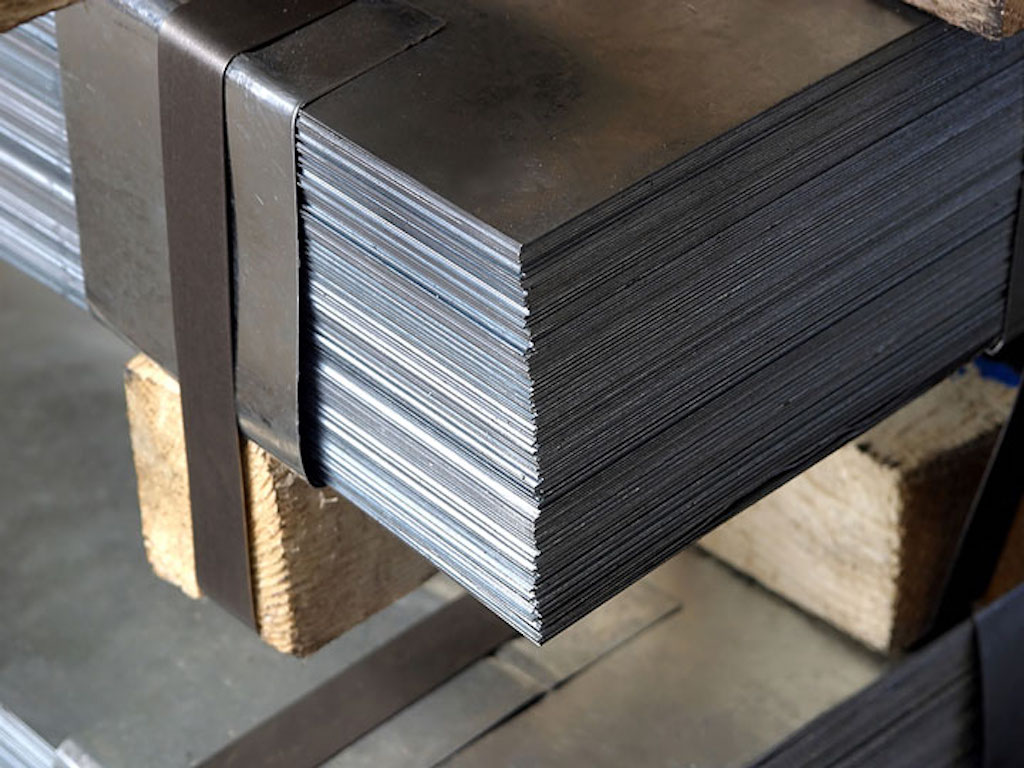
In aerospace manufacturing, choosing the right material can make all the difference. Aircraft parts must be strong, lightweight, and able to handle extreme stress. That’s where Aluminum 2014 comes in. This high-strength alloy has become a trusted option for engineers who need reliable performance without adding extra weight.
So, what makes Aluminum 2014 so useful in aerospace? Let’s break it down in simple terms.
What Is Aluminum 2014?
Aluminum 2014 is part of the 2000 series of aluminum alloys. These alloys are mainly mixed with copper, which gives them extra strength after heat treatment.
Because of this composition, Aluminum 2014 is known as one of the strongest aluminum alloys available.
It is commonly used in aerospace, especially for parts that must handle heavy loads and high stress during flight.
High Strength for Heavy-Duty Applications
One of the biggest reasons aerospace manufacturers use Aluminum 2014 is its high strength. This alloy can handle intense pressure without bending or breaking.
Aircraft parts like structural frames, fittings, and support components need to stay strong under constant stress. Aluminum 2014 delivers that strength, making it ideal for these demanding roles.
Even better, this strength can be improved further through heat treatment, allowing engineers to fine-tune its performance for specific applications.
Lightweight for Better Efficiency
In aerospace, weight is always a concern. The heavier the aircraft, the more fuel it consumes. That’s why lightweight materials are so valuable.
Aluminum 2014 offers a great strength-to-weight ratio, meaning it is strong without being too heavy.
By using this alloy, manufacturers can reduce the overall weight of an aircraft. This leads to:
- Better fuel efficiency
- Lower operating costs
- Improved flight performance
It’s a simple change that makes a big impact.
Excellent Machinability
Another major advantage of Aluminum 2014 is its excellent machinability. This means it can be easily cut, shaped, and formed into complex parts.
In aerospace manufacturing, precision is critical. Components must fit perfectly and meet strict design standards. Aluminum 2014 makes this easier because it responds well to machining processes.
This saves time during production and allows manufacturers to create detailed, high-quality components.
Strong Fatigue Resistance
Aircraft parts are constantly under stress. Every takeoff, landing, and flight cycle puts pressure on the structure. Over time, this repeated stress can cause materials to weaken—a process known as fatigue.
Aluminum 2014 has good fatigue resistance, meaning it can handle repeated loading without failing quickly.
This makes it a reliable choice for parts that experience constant movement and vibration.
Ideal for Aerospace Components
Because of its strength and durability, Aluminum 2014 is widely used in many aerospace applications. These include:
- Aircraft structural components
- Wing and fuselage parts
- High-load fittings
- Forged components
Its ability to perform under stress makes it a go-to material for critical parts in both commercial and military aircraft.
Heat Treatable for Better Performance
One of the unique features of Aluminum 2014 is that it is heat treatable. This means its properties can be improved through controlled heating and cooling processes.
Heat treatment increases the alloy’s strength and hardness, making it even more suitable for demanding aerospace environments.
This flexibility allows engineers to adjust the material based on the needs of specific components.
Final Thoughts
Aluminum 2014 has proven itself as a valuable material in the aerospace industry. Its high strength, lightweight nature, and excellent machinability make it a top choice for many critical components.
While it does have some limitations, its overall performance makes it an essential part of modern aircraft manufacturing.
For aerospace manufacturers looking for reliable, high-quality materials, Aluminum 2014 continues to be a smart and practical option.
If you’re sourcing premium aerospace metals, working with a trusted supplier like FlightMetals ensures you get certified materials that meet strict industry standards.